

You can save thousands in repair costs and keep your vehicle looking sharp for years when you know how to protect your car from rust.
Here’s the thing: rust can eat away at your vehicle and cause damage that affects both appearance and performance. The good news? Preventing rust is easier than repairing it. Washing your car removes corrosive materials that accumulate on the surface. Protective coatings and proper storage create barriers against moisture and road salt.
This piece will show you how to prevent car rust through simple maintenance steps, protective treatments and smart storage practices that deliver ground results.
Understanding Rust and Why It Forms on Your Car
What Causes Car Rust
Rust forms through a chemical reaction called oxidation. Iron in your car’s steel reacts with oxygen and moisture to create iron oxide, the reddish-brown substance you see eating away at metal surfaces. This reaction happens at the atomic level. Oxygen atoms bond with iron atoms, weakening the metal structure and making it brittle.
Your car faces constant exposure to elements that accelerate this process. Humidity creates the moisture needed for oxidation to occur. Road salt, used for de-icing during winter, speeds up corrosion by lowering water’s freezing point. This keeps metal surfaces moist longer. Coastal regions present a double threat. High humidity combines with salt content in the air that attacks your vehicle from all angles.
Paint and protective coatings act as your car’s first line of defense. Scratches, dents, or chips compromise these barriers and expose bare metal. This exposure triggers rust formation almost right away. The process starts as tiny bubbles or blisters beneath the paint surface. These bubbles expand and burst over time, revealing those telltale rust spots underneath.
Climate plays a substantial role too. Rain, sleet, and snow increase moisture contact with your vehicle’s metal components. Higher temperatures generally guide faster corrosion rates. Pollution adds another layer of complexity. Acidic compounds in industrial areas break down metal faster. Even your driving habits matter. Off-road driving or plowing through puddles increases exposure to corrosive elements.
Some protection exists for newer vehicles. Modern cars often use galvanized steel, which can resist corrosion for up to 70 years. Advanced paint coatings provide additional rust prevention. Yet even these vehicles can succumb to rust under harsh conditions.
Types of Rust: Surface, Scale, and Penetrating
Rust doesn’t appear overnight. It progresses through three distinct stages, each more severe than the last:
Surface rust affects only the top layer of your vehicle. You’ll spot it as light red-brown discoloration with a rough, flaky texture. This type appears around stone chips, scratches, and areas where paint has worn thin. Surface rust is the easiest to treat. Sand the affected area, apply a rust converter, then add primer and matching paint. The metal remains structurally sound at this stage.
Scale rust develops when surface rust goes untreated. The corrosion now penetrates deeper into the metal and causes it to flake and bubble. Paint often bubbles up around these areas. Small pits begin forming in the metal itself. Scale rust is darker in color, more widespread, and has a notable texture. Road salt accelerates this stage substantially. Wire brushing, grinding wheels, and filling degraded areas are required to repair scale rust.
Penetrating rust represents the most severe stage. The metal deteriorates completely and creates visible holes that compromise structural integrity. You can push through the affected metal with minimal pressure. Penetrating rust often hides in enclosed sections like sills, chassis rails, and floor pans. Professionals need to replace entire panels or components at this point.
How Rust Affects Your Vehicle’s Value and Safety
Rust hits your wallet hard. Minor surface rust devalues your car by approximately 10%. More extensive rust affecting structural areas causes 20% value loss or more. Rust that spreads to the frame and chassis means you’re looking at 20% depreciation minimum. Severe cases leave you with no option but scrapping the vehicle.
Safety concerns go beyond appearance. A Swedish insurance study showed that rust substantially compromises crashworthiness. The rusted vehicle’s chassis rail separated from the floor during impact while testing. The footwell ruptured, and the sill gave out completely. Seat mountings moved inside and caused the crash test dummy’s head to strike the B-pillar.
The numbers tell a sobering story. Occupants in rusted cars face up to 20% higher risk of death in accidents compared to those in well-managed vehicles. Rust weakens brake lines, suspension components, and frame members. These failures can cause drastic consequences on the road. Excessive corrosion near safety components like brakes, steering, seatbelts, and suspension can guide inspection failures.
Rust doesn’t just threaten your vehicle. It threatens you.
Common Areas Where Rust Develops on Vehicles
Your vehicle has specific weak spots where corrosion strikes first. You can focus your vehicle rust protection efforts where they matter most if you know these vulnerable zones.
Undercarriage and Frame Rails
The undercarriage takes a beating. Every drive exposes it to road salt, water and debris. Salt-treated roads accelerate oxidation during winter months by keeping metal surfaces moist longer. This area suffers because it lacks the paint protection found on exterior panels.
Frame rails serve as your vehicle’s backbone and support the entire structure. You face serious problems when rust invades this foundation. Surface rust appears manageable and shows minor corrosion that responds to treatment. Frame rot tells a different story. Structural integrity gets compromised by this severe rust. Check underneath your vehicle on a regular basis and pay attention to frame rails, front and rear sections, and wheel wells.
Vehicles in the Midwest face harsh conditions. Heavy road salt and brine usage during winters cause chassis corrosion at alarming rates. Rust behaves like metastasized cancer once it starts in the frame and spreads through connected metal surfaces.
Wheel Wells and Fenders
Wheel wells rust first. Your tires fling dirt, grime and water into these cavities. Salt and moisture get trapped and create perfect conditions for oxidation. Steel components face continuous salt exposure during winter, and this process accelerates.
Most wheel wells now include plastic liners that block salt and moisture. Newer vehicles from Ford, GM and some European manufacturers use felt-like liners instead. These felt liners trap moisture, wear faster and resist cleaning. Wheel well rust follows when liners deteriorate.
The hidden nature of wheel well rust makes it dangerous. You rarely notice it until significant damage occurs. Rust spreads from wheel wells to nearby fenders and makes your vehicle look old and neglected. Rust weakens metal and makes it brittle beyond appearance issues. Cracks form in compromised metal. Your vehicle becomes unsafe to drive when rust reaches structural components like the chassis and suspension. Corrosion can even spread to engine components and electronics and affect their function.
Door Edges and Rocker Panels
Rocker panels below doors develop rust often, especially in regions that salt roads heavily. Colorado trucks in northeast Iowa show severe rocker panel rust below doors. The extended and crew cab designs create open chambers where salt slush accumulates.
Trucks equipped with step bars or side steps rarely experience rocker panel rust issues. These accessories create a physical barrier between road spray and the rocker panel surface. Mudflaps prove effective at preventing salt and debris from hitting rockers.
Salt slush builds up inside fender areas and melts slowly. This leaves salt deposits that corrode metal. Rubber plugs located under the cab provide access points to rocker chambers. Doors and trunk areas also rust around edges and hinges. You can slow rust formation if you keep these areas clean and dry, plus maintain weatherstripping in good condition.
Exhaust System and Suspension Components
Your exhaust system faces dual threats. External exposure to road salt combines with internal moisture buildup from condensation. Moisture condenses inside exhaust pipes when your engine cools after driving. Short trips prevent the exhaust from heating fully and allow moisture to accumulate and promote internal rust.
Road salt accelerates exhaust corrosion by a lot. Rust weakens metal over time and creates holes or cracks in exhaust pipes, mufflers and catalytic converters. The exhaust’s location underneath the vehicle leaves it vulnerable to rain, humidity and road spray.
Suspension components corrode among the exhaust. Rusty suspension parts can fail unexpectedly and create safety hazards during operation. The risks multiply beyond simple inconvenience when rust spreads to structural suspension mounts or control arms.
How to Prevent Car Rust Through Regular Washing
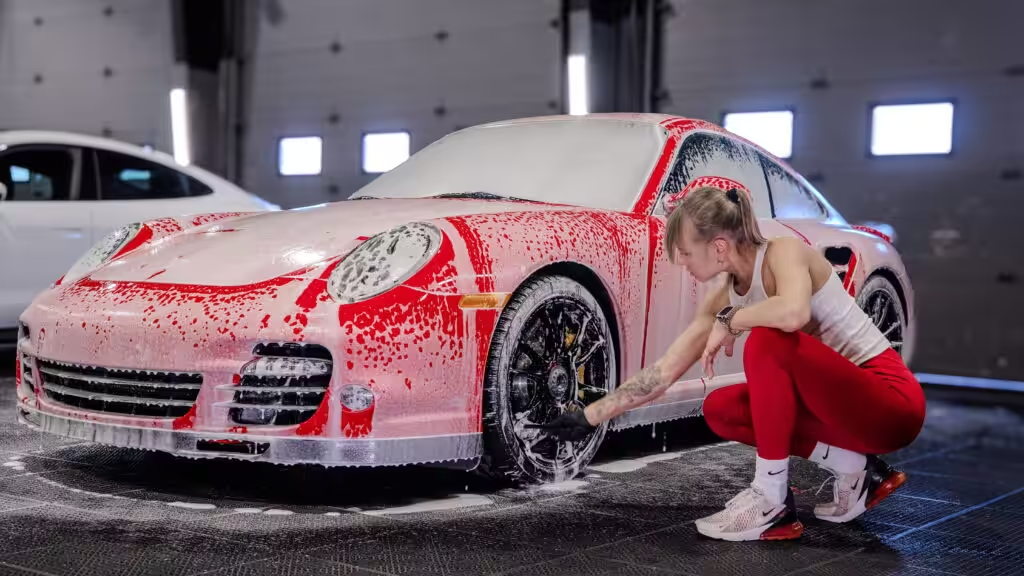
Regular car washing removes the enemies that cause corrosion: salt, dirt and chemicals. This simple habit stops rust from starting or spreading across your vehicle’s surface.
Washing Frequency and Best Practices
Where you live and what your car faces daily determines how often you wash. City drivers deal with dust and pollution. A wash every one to two weeks becomes essential. Countryside driving on muddy roads calls for weekly washing. Winter demands the most attention since road salt accelerates corrosion faster than any other element.
Coastal environments require weekly washing at minimum. Salt air deposits corrosive particles on every surface, even miles inland. This salt penetrates door seals and accumulates in crevices. It attacks undercarriage components without mercy. Salt begins oxidizing metal surfaces within days without weekly removal.
Vehicles get exposed to brake dust, road grime and industrial pollutants on urban roads and highways. Daily commuters benefit from weekly washing to prevent buildup. Weekend drivers can extend to biweekly schedules. Construction zone exposure demands increased frequency. Industrial areas with heavy pollution require weekly maintenance.
Winter road salt represents the single most corrosive threat vehicles face. This chemical mixture attacks paint, chrome, aluminum and undercarriage steel components with devastating effectiveness. Weekly washing with undercarriage cleaning becomes mandatory from first snowfall through spring thaws. Skip even one week and salt begins forming rust that spreads beneath protective coatings.
Rinse soon after rain or snow to prevent damage. Rainwater isn’t pure. It leaves behind minerals and pollutants that dull your finish and eat at the clear coat. Moisture trapped by dirt and salt accelerates rust formation.
Professional car washes deliver superior results. Staff know how to clean every part safely. High-pressure washing reaches tricky areas that home washing misses. These facilities use only 24 gallons of fresh water per wash compared to 100+ gallons typical for driveway washing. Professional establishments recycle over 70% of water used while directing all wastewater to treatment plants.
Cleaning the Undercarriage the Right Way
Most people forget about the undercarriage. It collects mud and salt in small areas where rust can start unnoticed. Professional car washes clean under the car and protect brakes and important parts.
The undercarriage accumulates dirt, salt and grime that accelerate rusting. This area faces constant road spray exposure during winter months. Frame sections develop structural weakness. Brake lines corrode and create safety hazards. Fuel lines deteriorate from external salt exposure. Suspension components weaken and affect handling.
Clean the undercarriage with water as often as possible. Lift the car on a hoist to position it at a convenient height for a good view. Use a high-pressure car washing hose or spray gun to blast accumulated dirt off. This proves especially important during rainy seasons.
Professional car wash facilities feature high-pressure undercarriage systems that reach areas hand washing cannot access. These systems remove salt and grime from suspension components, brake assemblies and frame sections. Washing your car’s undercarriage at least once every few months works well for regular maintenance. More frequent washes prove essential if you live in areas with harsh winters or drive on roads containing gravel or debris often. Think about washing the undercarriage every two weeks during winter to prevent salt buildup and potential rust damage.
Avoid puddles whenever possible. Road salt and grimy standing water create a deadly combination that initiates rusting fast. The undercarriage gets splashed with salt water and minerals from puddles. Rust catches up fast when you don’t clean the car often.
Check drainage systems often. All cars include drains that spread to various vehicle sections. These drains keep water from accumulating and help prevent rusting. Drains get blocked with dirt or tree leaves sometimes and disrupt their normal function. Inspect drains located on the floor, fenders and other parts to verify they stay clean.
Drying Your Car to Prevent Moisture Buildup
Air-drying leaves water spots. Water evaporates on its own and leaves behind minerals suspended in it. Calcium, magnesium and whatever else exists in your tap or hose stays on the surface. These white rings and cloudy patches bond to the clear coat if left to bake in the sun.
Use a microfiber towel or chamois to gently dry your car and prevent mineral deposits. Microfiber drying towels designed for automotive use work best. They’re soft, plush and absorbent enough to soak up water without dragging. Waffle-weave towels pull moisture into the fabric instead of pushing it around.
Blotting beats dragging. Lay the towel flat on the panel, press gently and lift. The fabric absorbs water without sliding across the surface. A towel dragged across creates friction that picks up whatever sits on the surface and grinds it in.
Start at the roof and work downward. Gravity flows water down, so drying from the top prevents re-wetting areas you’ve already finished. Pull water out from mirrors, door handles, emblems and trim pieces where it hides. Water drips down later and leaves streaks on panels you thought were done if you don’t extract it.
Dry your vehicle the right way after washing. Moisture left behind can freeze and trap contaminants. This leads to rust in tight corners and joints. Dry your car in a garage if possible or use a microfiber towel to speed up the process. Never dry in direct sunlight. Heat accelerates evaporation and causes water spots to form faster.
A high-velocity air blower pushes water off the surface without contact. This tool directs concentrated air across panels and forces water out of areas towels struggle to reach. Use multiple clean towels during a single session. One towel handles bulk water removal. A second clean towel follows for the final pass.
Applying Protective Coatings for Vehicle Rust Protection
Protective coatings create a barrier between your car’s metal and the elements that cause oxidation. These applications work among other methods like regular washing to provide layered defense against moisture, salt and contaminants.
Waxing Your Car Every Few Months
Wax preserves the clear coat that shields paint from corrosive elements like snow, rain, street salt and ultraviolet rays. Paint fades and rust develops underneath when this protection is absent.
Waxing 2 to 4 times per year provides strong protection for most daily drivers. Vehicles parked outdoors or exposed to harsh winter weather need waxing every 2 to 3 months. Garage-kept cars require applications every 3 to 4 months, which is less frequent.
The water beading test tells you when you need to reapply. Water beads up and rolls away due to surface tension when wax is present. The protective layer has worn off when water spreads flat instead of beading. Run your finger over the paint too. A waxed surface feels smooth and allows your finger to glide without effort, while an unwaxed surface feels raw and resists sliding.
Different wax formulations last for different periods. Paste wax provides thick protection that lasts 3 to 6 months. Liquid wax offers good UV defense but requires reapplication every 8 weeks. Carnauba wax delivers great shine but needs renewal every 4 to 8 weeks. Synthetic polymer sealants last 3 to 4 months.
Using Undercoating and Rust-Proofing Treatments
Rust-proofing treats specific hard-to-reach places where moisture accumulates, like the fenders, tailgate and upper body panels. Undercoating covers the entire underside with wax or rubber-based composite. Both methods serve different purposes but work together for complete vehicle rust protection.
Annual oil-based sprays creep into frame sections, behind body panels and along door seams. This oil migrates into crevices that thicker coatings cannot reach and pushes out trapped moisture. The downside? Dripping continues for a day or two after application.
Wax-based coatings cure into a tough, dry film that resists road spray. These dripless options provide cleaner application but lack the self-healing properties of oil. Permanent tar-based undercoatings offer maximum rock protection but can trap moisture if they crack.
Applying Rust Inhibitor Sprays to Vulnerable Areas
Rust inhibitor sprays defend bare metal surfaces against moisture and corrosion. Apply these clear coatings to untreated metal on garden tools, bicycles and vehicle components susceptible to rust.
Remove loose rust and dirt before application, then clean with soap and water. Shake the can well before and during use. Target vulnerable areas like wheel wells and door sills that need extra protection.
Reapplication schedules matter. Apply to indoor items every 1 to 2 years and outdoor items every 6 months. This routine keeps the inhibitor layer fresh and functional against corrosion threats that continue over time.
How to Keep Your Car From Rusting With Proper Storage
Where you store your vehicle matters as much as how you maintain it. Cars parked in rain are 40% more prone to rust compared to those kept under cover. This single decision affects your vehicle’s condition over time more than most owners realize.
Parking in Covered or Enclosed Spaces
Indoor storage delivers the best protection against corrosion. A climate-controlled garage shields your car from temperature swings, humidity, and UV rays. Moisture-related damage decreases by 35% with covered parking. The stable environment prevents condensation from forming on cold metal surfaces overnight, a process that deposits rust-causing moisture again and again.
The surface underneath your vehicle affects rust formation too. Concrete flooring transmits limited moisture, making it the preferred parking surface. Parking on dirt or gravel traps moisture underneath and creates a breeding ground for corrosion. Some enthusiasts park on plastic sheeting with carpet layered on top to reduce moisture exposure from below even further.
Garage ventilation matters just as much as the roof overhead. A well-ventilated space prevents condensation buildup. Opening and closing garage doors often introduces humidity that accelerates rust, especially when you have wet climates. You must access the garage often, so a garage heater or HVAC system helps dry out excess moisture.
Car Covers for Outdoor Protection
Standard car covers create problems if chosen wrong. Non-breathable covers trap moisture against your vehicle’s surface and promote rust rather than preventing it. Look for breathable, UV-protected materials that allow moisture vapor to escape while blocking rainwater. A poor fitting cover that flaps in the wind damages paint instead of protecting it. Custom-fit covers work better than universal sizes because they prevent water pooling and maintain proper airflow.
Apply protective wax before covering for outdoor storage. This adds a sealed barrier beneath the cover. Professional PPF studios in Miami like IDPPF install paint protection film that creates a permanent shield against moisture and environmental damage affecting stored vehicles, and covers provide additional protection.
Controlling Interior Humidity and Ventilation
Humidity control inside your garage prevents rust on body panels, undercarriages, and brake components. The ideal relative humidity stays between 40% and 60%. Corrosion stops at these levels. Desiccant dehumidifiers maintain these conditions by collecting moisture as humid air passes through and expelling dry air back into the space.
Interior ventilation helps too. Crack your windows to allow airflow. Place baking soda or desiccant bags inside to absorb trapped moisture. This prevents condensation from forming on interior metal components and keeps your cabin fresh during extended storage periods.
Addressing Paint Damage Before Rust Starts
Paint acts as your first defense against corrosion. Small chips expose bare metal to moisture and oxygen, triggering rust formation almost right away. Catching and repairing these defects early saves you from expensive bodywork later.
Inspecting for Chips and Scratches Regularly
Check your vehicle’s paint surfaces closely and look for scratches, swirls, cloudiness, or any damage. Bright lighting reveals defects you’d otherwise miss. Mark problem areas with masking tape so you don’t lose track of them.
The fingernail test determines scratch severity. Run your fingernail across the scratch. No resistance means the clear coat is affected, making DIY repair sufficient. Your nail catches when the damage goes deeper. White or gray color beneath indicates primer exposure. Silver metal showing through represents the most severe level that requires immediate action.
Touch-Up Paint Application Techniques
Clean the damaged area really well with wax and grease remover. This step matters because paint won’t stick to contaminated surfaces. Wet sand the area with 1500-2500 grit sandpaper and use light, short strokes. Stop once the surface feels smooth and dull.
Apply primer to bare metal first. This boosts base coat adhesion and substantially improves corrosion resistance. Let the primer dry before proceeding. Use a fine-tip brush to dab base coat onto the damaged spot. Build up the paint in thin layers rather than one thick coat. Too much paint at once causes clumping or dripping. Allow each layer to dry before adding the next.
Sealing Exposed Metal Surfaces
Metal scratches need immediate attention to prevent rust. Clean well, then apply touch-up paint or use a paint repair kit to protect the metal. Let the paint cure for at least 48 hours. Avoid driving, washing, or touching the repaired area during this period.
What to Do If Your Car Already Has Rust
Finding rust doesn’t mean your vehicle is doomed. Quick action stops minor corrosion before it becomes a structural nightmare.
Identifying Early Signs of Corrosion
Look for bubbling paint, which signals moisture trapped beneath the surface. Brown or orange discoloration appears first, especially around wheel wells and door sills. Rough edges and flaking metal indicate rust eating through layers. Check rubber seals where moisture accumulates and causes paint to peel from underneath. Use a flashlight to inspect hidden areas where rust hides.
DIY Rust Removal Methods
Apply WD-40 to rust spots and let it soak for ten minutes. Scrub with a light abrasive using circular motions, taking care not to scratch surrounding paint. For deeper rust, use 120-grit sandpaper or a grinding wheel to remove pitting. After rust removal, apply self-etching primer on bare metal, then spray thin coats of matching paint. Vinegar works for light rust on small parts that you submerge for several days.
Professional Rust Repair Needs
Structural rust demands professional attention. Rust that breaches mounting points or affects frame rails requires replacement to prevent future failures and safety hazards. Holes or metal that crumbles under pressure require panel replacement, not patching. Besides safety concerns, extensive rust affecting over 50% of a panel’s value makes professional assessment worthwhile.
Maintaining Long-Term Rust Prevention
Rust prevention doesn’t stop after your first wash or wax application. You need ongoing commitment to specific practices that address seasonal threats and vulnerable zones for sustained protection.
Creating a Seasonal Maintenance Schedule
Break your rust prevention into seasonal tasks. Schedule annual rustproofing before winter arrives in fall. Winter needs washing every 10-14 days to remove accumulated road salt. Some areas with heavy salt usage need weekly washes. Spring calls for thorough inspection after winter’s assault and reapplication of protective treatments as needed. Summer focuses on waxing and parking in shade to prevent paint breakdown.
Avoiding Road Salt and Deep Puddles
Road salt clings to metal and accelerates corrosion faster than almost any other substance. Rinse your undercarriage as soon as possible after exposure. Deep puddles splash salt water into wheel wells and suspension components when you drive through them. Moisture builds up underneath your vehicle when you park in puddles and raises rust risk substantially.
Regular Inspections of High-Risk Areas
Monthly inspections catch problems early. Check door bottoms, rocker panels and wheel wells for bubbling paint or exposed metal. The undercarriage deserves close attention since rust runs on where water collects. Address any findings before minor surface rust penetrates deeper.
Conclusion
You now have a complete roadmap that protects your car from rust. Regular washing removes salt and grime. Protective coatings create barriers against moisture, and smart storage keeps corrosive elements at bay. Catching paint damage early stops rust before it spreads above all.
Consistency is the key. Stick to your seasonal maintenance schedule and inspect vulnerable areas monthly. Address problems immediately. Rust prevention takes nowhere near the time and money that repairs down the road require.
Your car will reward you with years of solid performance. You’ll manage to keep its value intact. Specialists like IDPPF offer paint protection film installation services in Miami that eliminates rust worries altogether and provides permanent protection. Start protecting your investment today.


